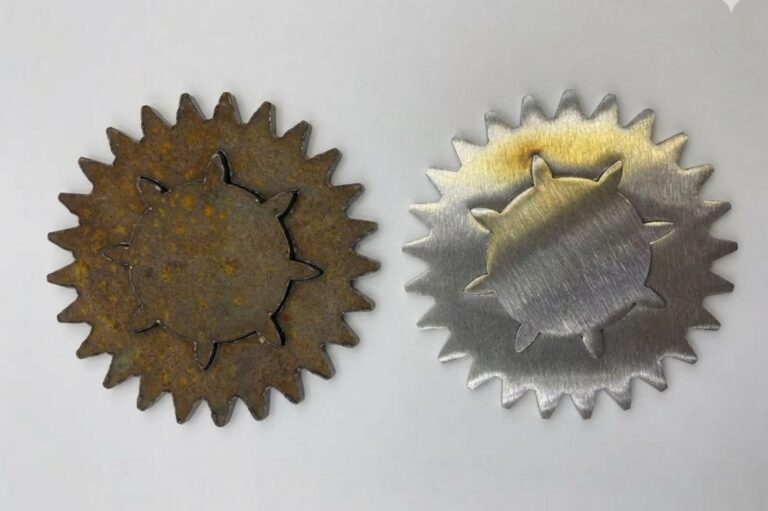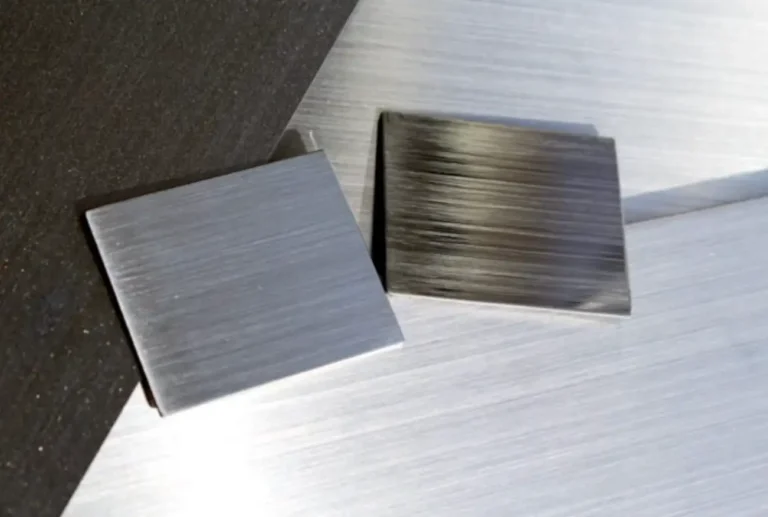
Embarking that complete evaluation about automatic devices constructed intended for burr elimination represent innovated manufacturing procedures, granting considerable progress regarding swiftness and finish. This article details the distinct types of automatic deburring equipment, containing scouring tumbling equipment, revolving tools, and innovative computer-controlled methods. We will review the pros of applying these technologies, for instance cut personnel needs, improved product uniformity, and strengthened industrial yield.
Edge Smoothing Instruments: Definite Finishing Described
Rim smoothing platforms offer a refined solution for realizing accurate completion on products. Beyond manual styles, these automated devices offer stable consequences and dramatically elevate production effectiveness. Such systems regularly deploy several scraping mechanisms like twisting tips, refining plates, or specialized profiles to remove sharp edges and protrusions. The operation is vital in a broad range of industries, including medical and electronics.- Advance coating texture
- Decrease industrial fees
- Raise productivity and effectiveness
Byproduct Disposal Devices: Securing Clean, Outstanding Facades
Up-to-date metalworking practices reliably yield significant amounts of dross, a byproduct that, if overlooked, can severely reduce the standard of the end result. Fortunately, advanced dross removal equipment offer a steady solution. These exclusive machines, employing techniques like blasting, are designed to thoroughly eliminate this unwanted material, ensuring a pure and premium surface. The resulting benefits include lessened rejection rates, refined aesthetic appeal, and an overall increase in workflow efficiency. By utilizing state-of-the-art slag removal technology, manufacturers can consistently deliver top-tier surfaces and match stringent requirements.
Sheet Fabrication Finalizing: The Benefits of Deburring Machines
Gaining a superior quality on sheet metal elements is paramount for efficiency, and deburring machines supply significant strengths over hand methods. Getting rid of burrs efficiently not only elevates the visual quality of the part, but also avoids anticipated damage during fabrication and usage. Additionally, intelligent deburring procedures augment manufacturing tempos and reduce staff disbursements.
Maximizing Sheet Metal Production with Automatic Deburring
With the goal to boost performance in sheet metal workshop operations, explore self-operating deburring equipment. Manual deburring is regularly lengthy and susceptible to fluctuations. Moving to automatic deburring affords meaningful merits, such as decreased employee charges, improved product excellence, and expanded industrial efficiency. This acquisitions have the potential to immediately pay off.Picking the Best Deburring Equipment for Your Assignment
Recognizing the best deburring system for your unique needs entails a exacting assessment of several points. Preliminarily, evaluate the kind of substance you're handling – copper requires distinctive techniques than resin. Thereafter, scrutinize the extent and structure of the sections needing surface cleaning. In conclusion, analyze your processing rate; a continuous operation necessitates a another type of apparatus than a intermittent one. Ignoring to address these points can lead to suboptimal results and increased costs.
Edge System Process: Developments and Breakthroughs
New burring instrument application is involved in rapid progress, spurred by the required for higher precision and effectiveness in processes procedures. Important trends comprise the melding of computerized platforms for flexible burr removal steps, alongside developments in abrasive application. We're moreover witnessing a rise in transportable edge finishing systems optimized for particular tasks, and innovative procedures like ultrasonic polishing are collecting attention. The forecast shows towards greater coupling of surface refining machines within the digitized workshop location.
Upgrading Customized Unit Quality with Contour Filleting
Many assembling processes for alloy parts introduce sharp edges, which can induce stress areas and shortcomings that reduce overall integrity. Rim rounding, a simple yet considerable method, offers a straightforward solution. It demands slightly filleting the keen edges of a part during the processing stage. This moderates stress zones, raises operational durability, and can prevent breaking. Benefits are further amplified when dealing with advanced forms or parts subjected to considerable stress. Considerations include the ideal rounding of the round and its influence on coupling with other components.
- Lowers Stress Regions
- Enhances Functional Durability
- Prevents Fracturing
Waste Discharge vs. Deburring : Grasping the Contrasts
As many engineers use the expressions “slag separation” and “deburring” identically, they signify distinct operations in metal assembly procedures. Bur clearing focuses on clearing the sharp, often tiny, outgrowths created during forming operations—these are excess material of alloy left on the piece. Residue elimination, conversely, addresses that second product – typically a mixture of oxides – that develops during processes like melting. Essentially, deburring deals with residual margins, while slag treatment deals with these remnant of a diverse function. Concluding, robotic deburring and residue removal devices are important components of modern metal processing that provide superior finished products with lowered defects and improved efficiency.Concluding the examination reiterates the vital role of modern automated deburring technologies in influencing production benchmarks and assisting businesses reach greater productivity and grade.